Czech institutions are helping to equip young Central African scientists with practical research skills and fresh scientific perspectives, through international collaboration between the Institute of Vertebrate Biology, Czech Academy of Sciences, Czech University of Life Sciences Prague, Charles University, and the University of Bangui. Providing hands-on experience through international exchanges, workshops, and field training embeds capacity building within wider research programmes, ensuring that scientific discovery is accompanied by investment in local expertise. Such activities provide a bilateral exchange of ideas, helping to shape the next generation of scientists while strengthening the long-term collaboration between Czech and Central African institutions.
Why Capacity Building Matters
The Central African Republic (CAR) is home to some of Africa’s most valuable tropical forests and extraordinary biodiversity. Yet, decades of political instability, limited investment in higher education and research infrastructure, and restricted access to modern scientific training have created significant challenges for the development of local scientific capacity. At the same time, the country faces complex issues at the intersection of biodiversity conservation, emerging infectious diseases, sustainable natural resource management, and human well-being. Addressing these challenges requires not only international research collaborations but, most importantly, a strong community of locally trained scientists capable of conducting independent research, informing evidence-based decision-making, and responding to future environmental and public health threats. Capacity building, therefore, represents far more than education. It is a long-term investment in scientific independence, sustainable conservation, and One Health, which recognises the close connections between the health of people, animals, and ecosystems, across Central Africa.
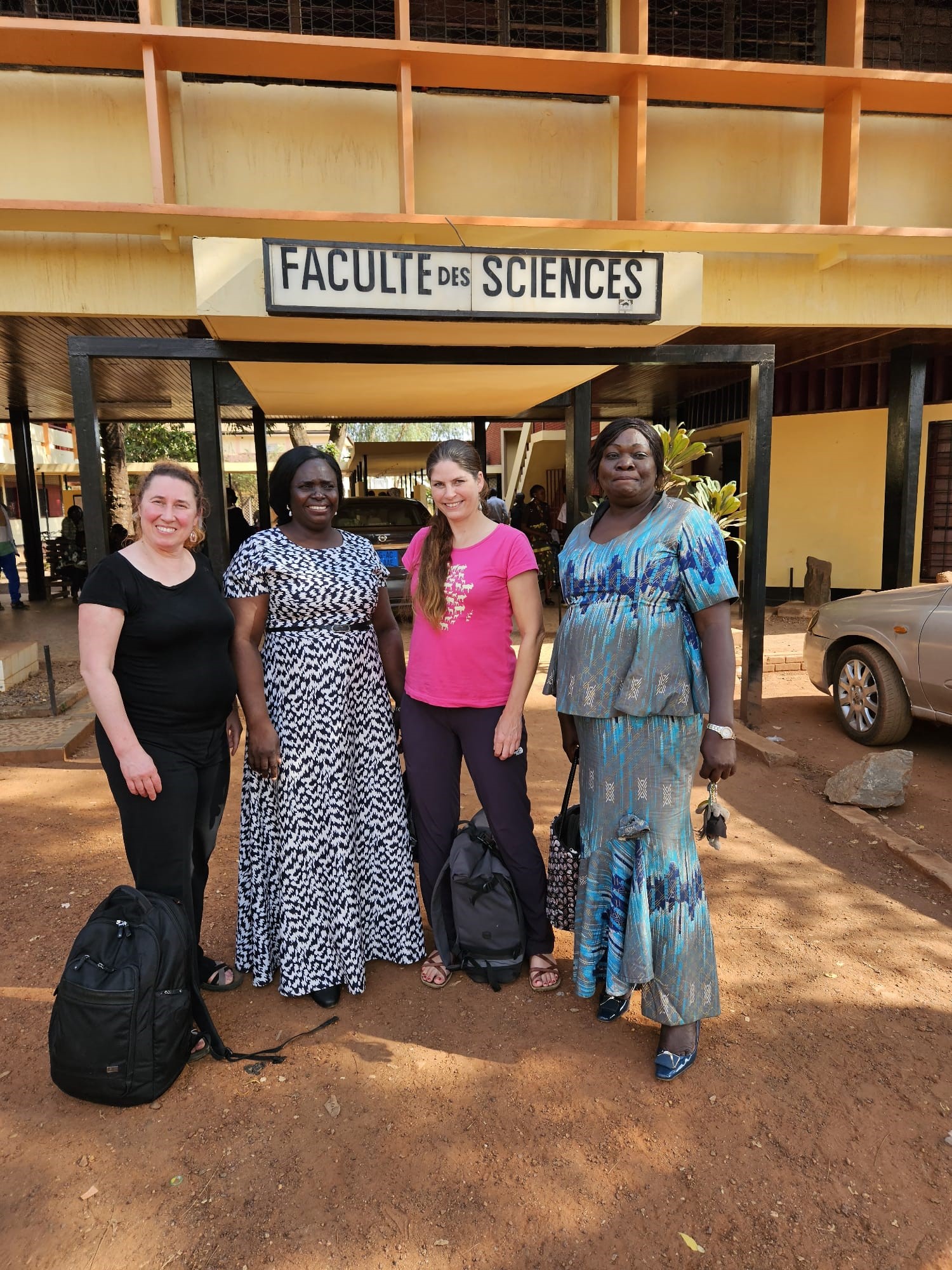
In accordance with the Memorandums of Understanding between the Institute of Vertebrate Biology, Czech Academy of Sciences (IVB-CAS), the Faculty of Sciences, Czech University of Life Sciences (CULS) Prague, and University of Bangui (UB), the partners have continued their long-standing commitment to strengthening scientific capacity in CAR through intensive training activities, student exchanges, and hands-on research opportunities.
Workshops for Skills Sharing
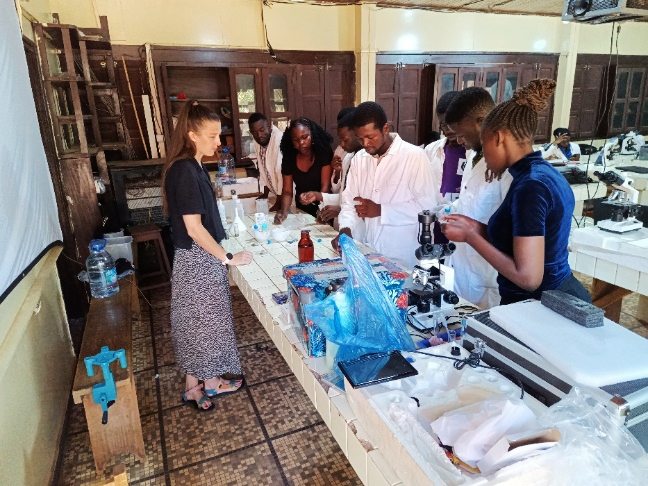
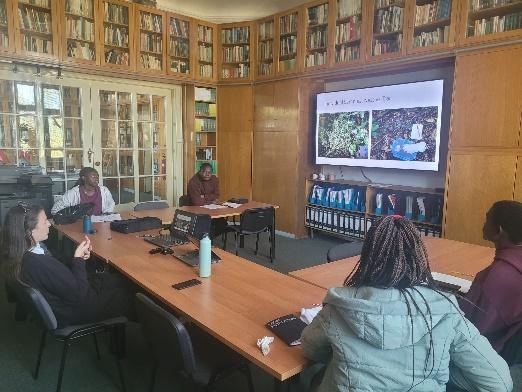
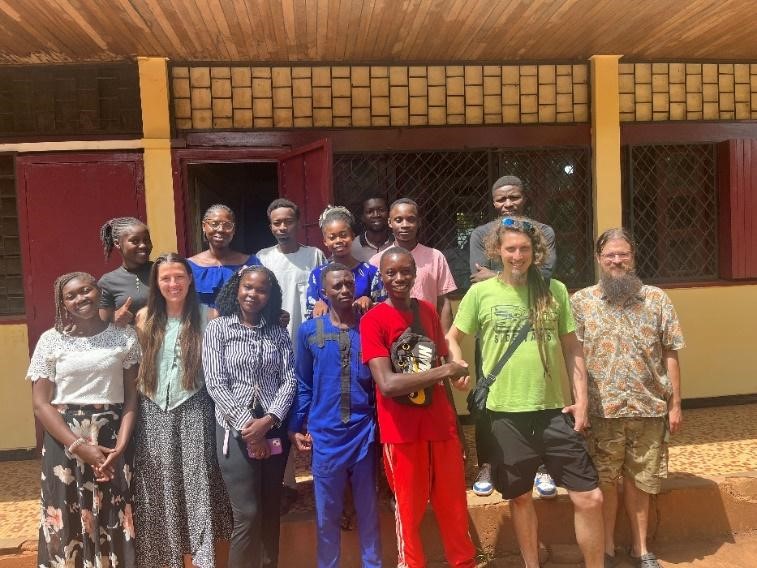
During May 2026, IVB-CAS researchers delivered a three-day workshop entitled Research Tools in Wildlife Biology at the Faculty of Sciences, UB. The workshop brought together undergraduate students from the Animal Biology and Biochemistry programmes alongside Master’s students specialising in Health Ecology, Parasitology, Entomology, Virology, and Microbiology.
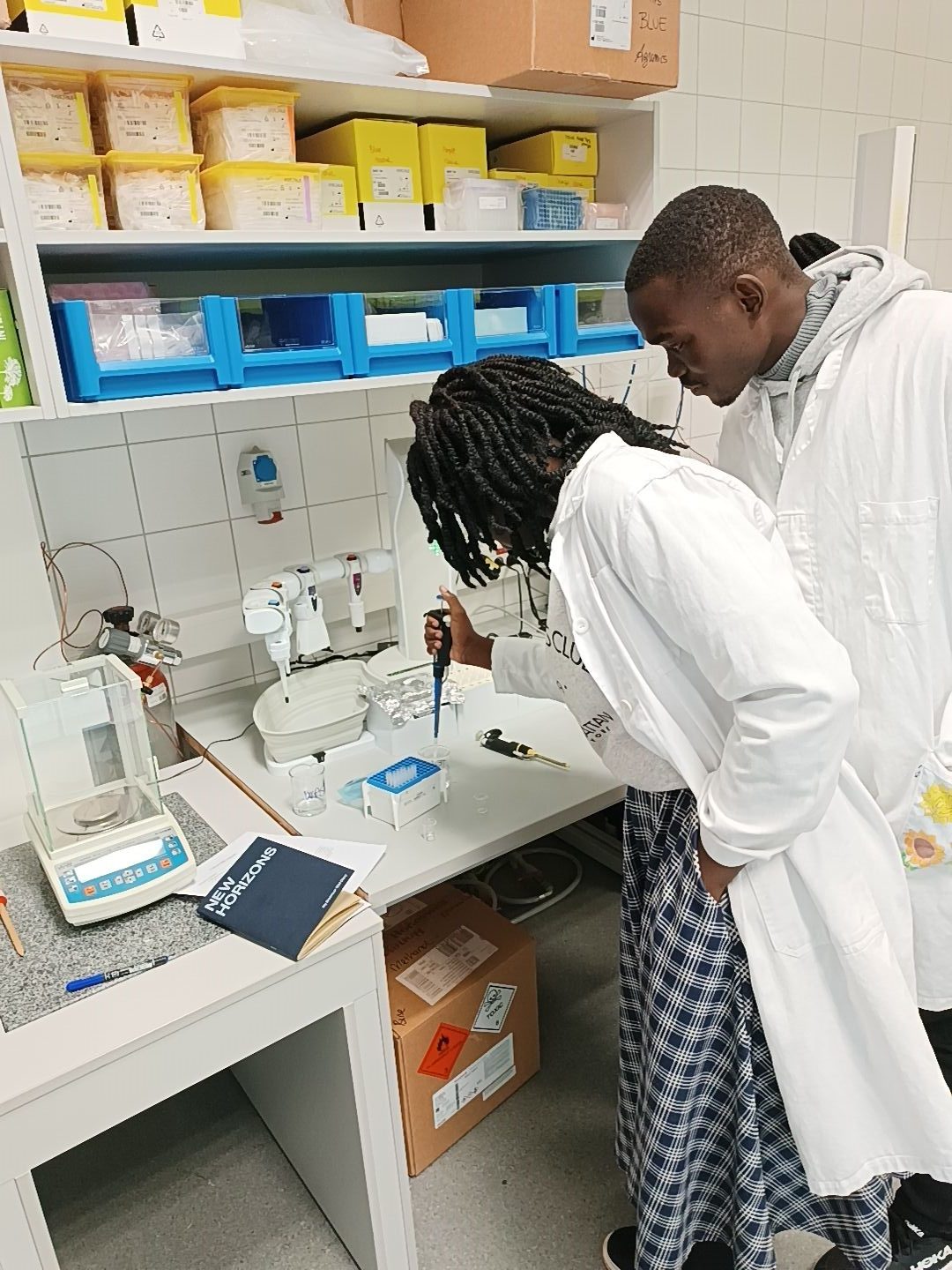
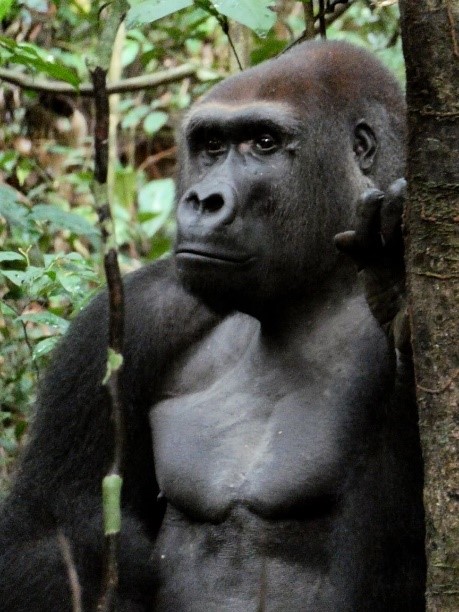
“The training combined classroom teaching with practical laboratory and field exercises, providing participants with direct experience in modern wildlife research techniques,” explains Dr. Bethan Mason from IVB-CAS, who organised the workshop. Students were introduced to non-invasive methods used to monitor wildlife populations and support biodiversity conservation, alongside specialist methodologies in entomological research. Practical sessions included microscopic examination of gorilla faecal samples for gastrointestinal parasites, invertebrate dissections, and demonstrations of insect survey techniques on the university campus.
By combining theoretical knowledge with practical application, the programme aimed to equip young scientists with research skills that are increasingly important for biodiversity conservation, disease surveillance, and the One Health approach.
International Exchanges to Create Lasting Impacts
The partnership also continues to grow through the Erasmus+ International Credit Mobility (ICM) programme via the Czech University of Life Sciences Prague (CULS), which connects UB and Czech institutions. Most recently, four UB students completed three-month academic placements in the Czech Republic, building upon previous bilateral student and teacher exchanges supported by Erasmus+ ICM funding in 2025 and 2024.
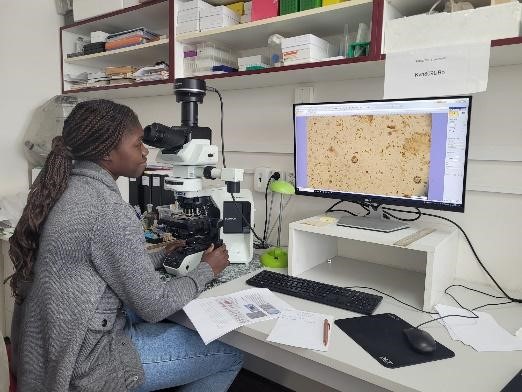
During their exchange, the students attended lectures within the Wildlife and Livestock Production, Management and Conservation Master’s programme at the Faculty of Tropical AgriSciences at CULS. Their studies covered topics including animal behaviour, wildlife survey and monitoring techniques, wildlife capture and translocation, and strategies for promoting human–wildlife coexistence. The students also took a one-week intensive training in metabolomic approaches. “At IVB-CAS, exchange students also received specialist training in coproscopic parasitology and molecular data analysis workflows in R, within a One Health framework,” comments Dr. Klara Petrzelkova from IVB-CAS.
These exchanges provide opportunities that extend beyond academic training, with students returning with enhanced technical expertise, international professional networks, and broader perspectives to apply to research and conservation initiatives within the Central African Republic and across the wider region.
Investing in Future Scientists
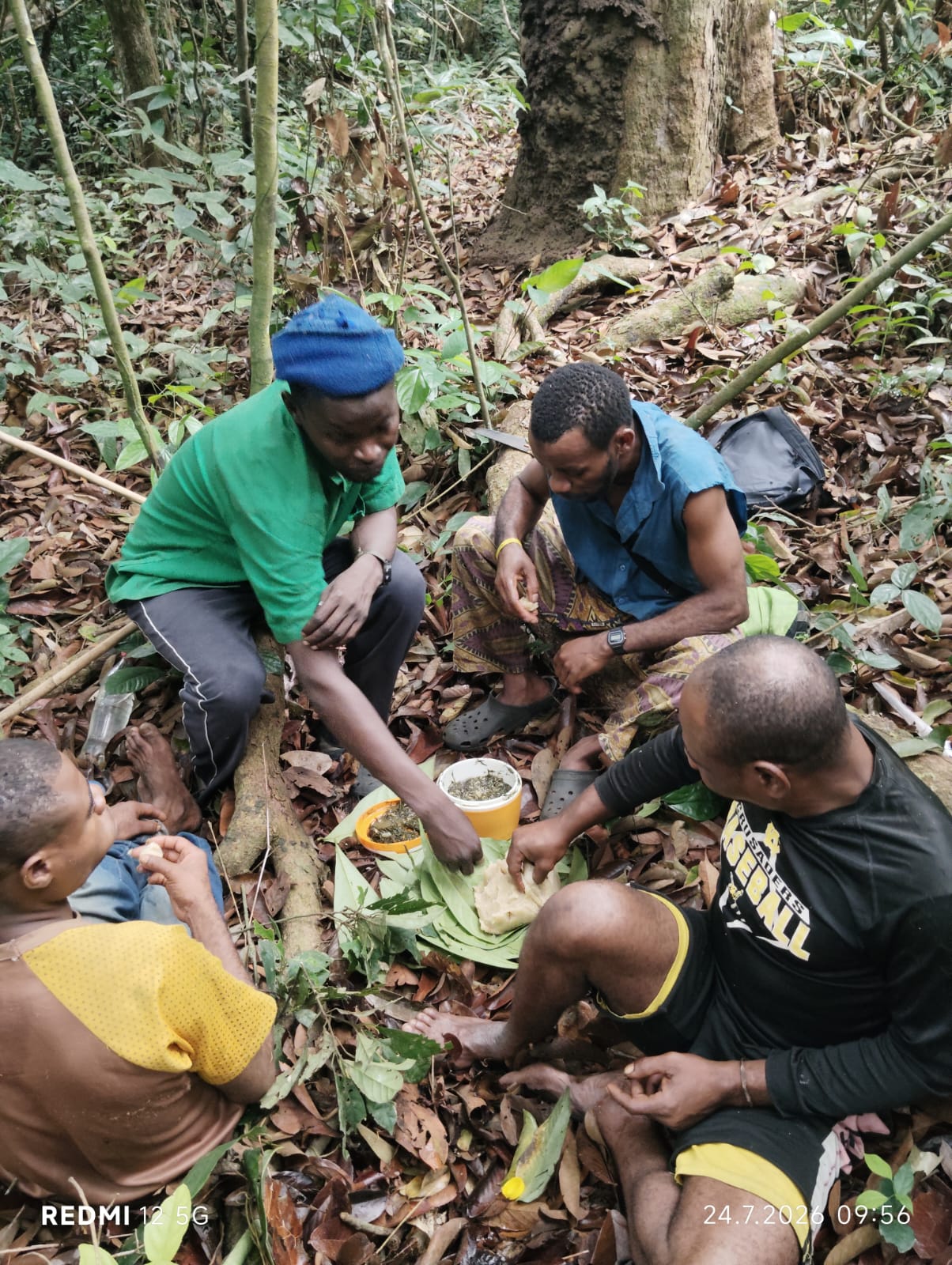
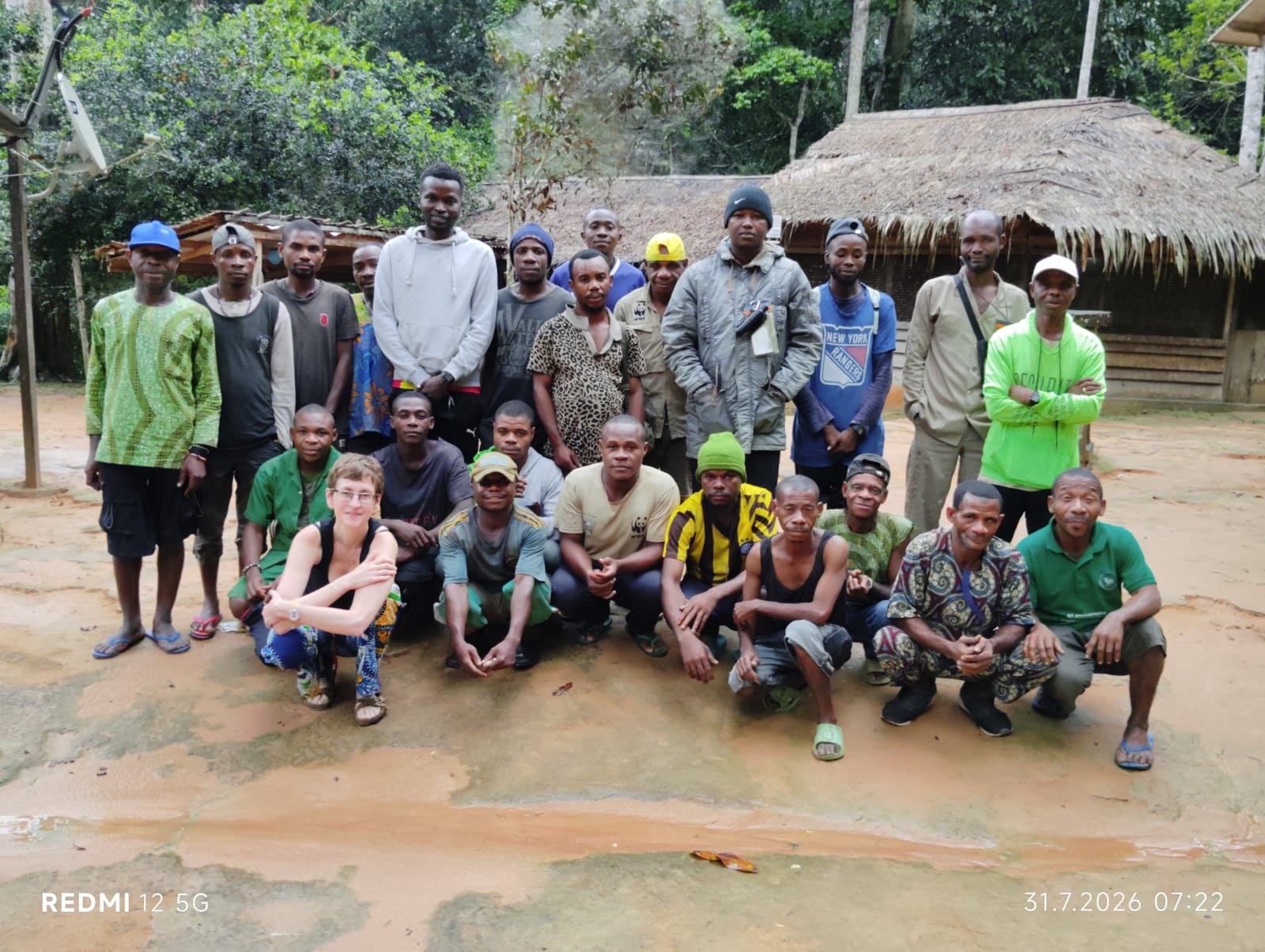
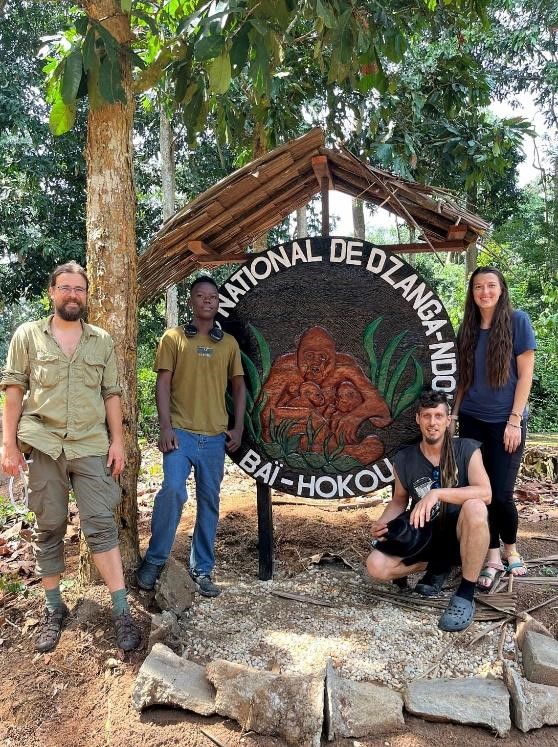
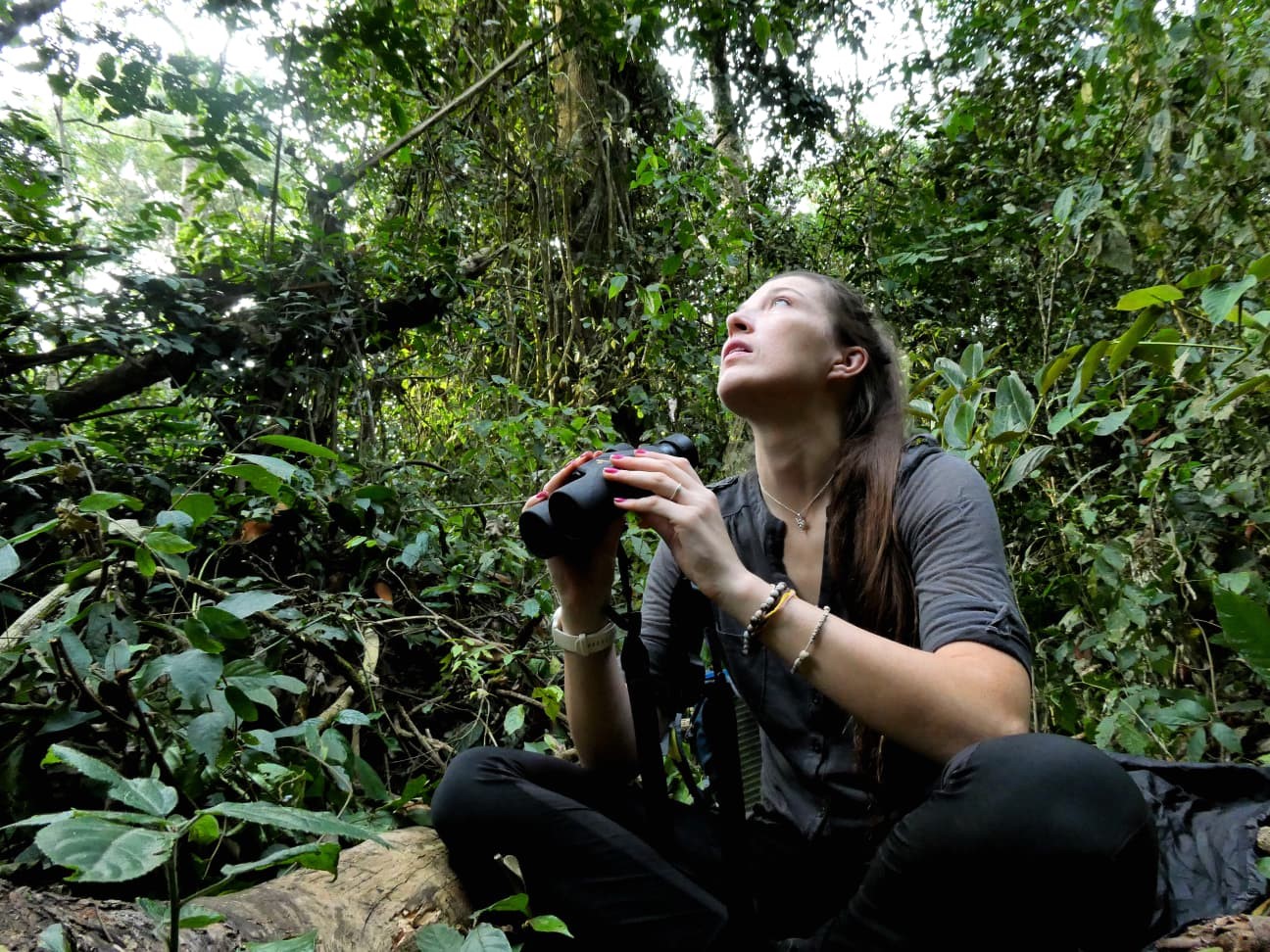
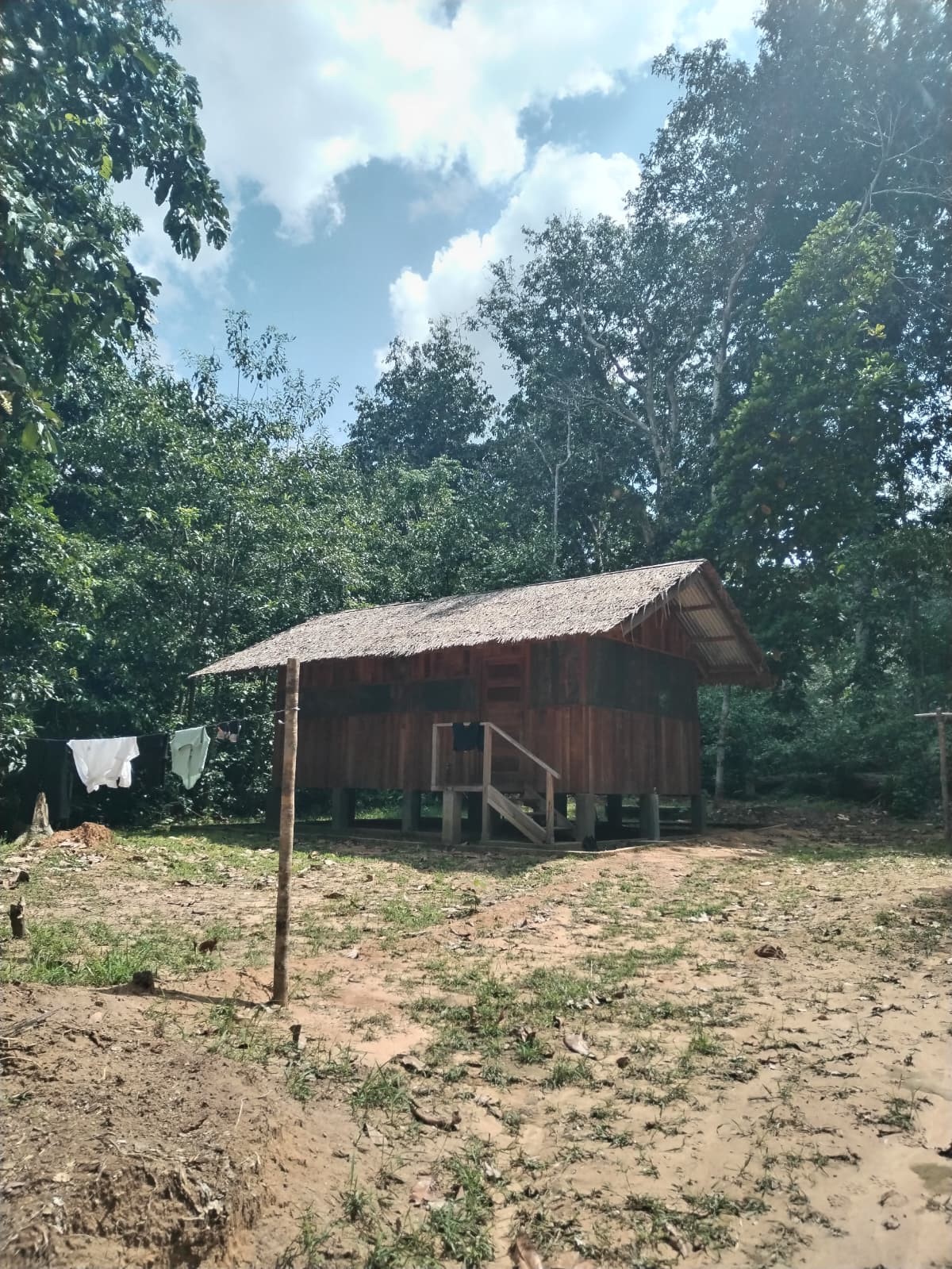
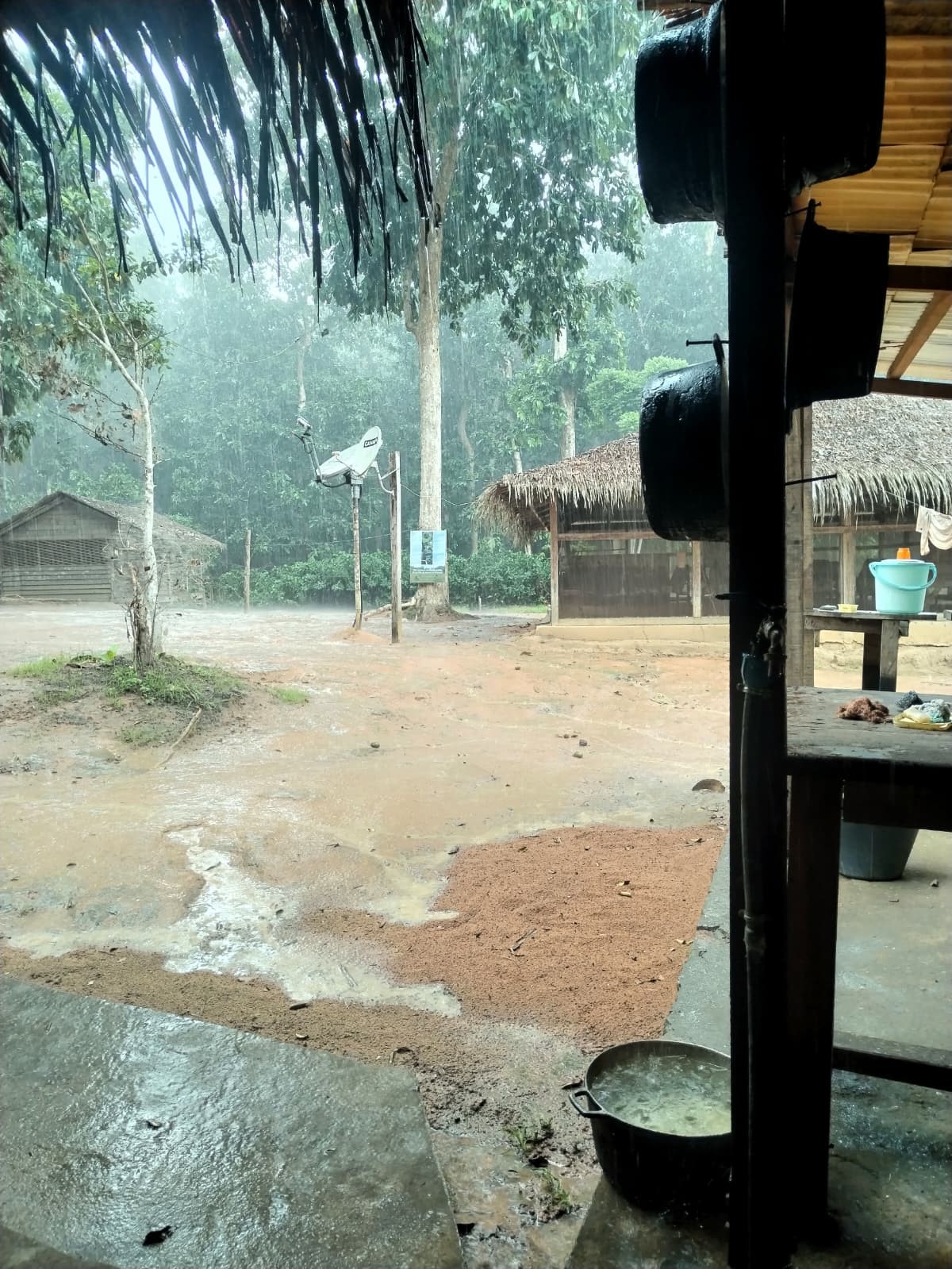
A key highlight of IVB-CAS’s most recent field mission was the selection of UB student Don-Devine Junior Django for an intensive internship with the project team in the Dzanga-Sangha Protected Areas (DSPA), where IVB-CAS has been conducting research for nearly two decades. DSPA, part of a UNESCO World Heritage Site, is managed through a partnership between WWF and the Central African Ministry responsible for Forest Economy, Wildlife and Aquatic Resources. During his internship, Mr Django worked alongside researchers from IVB-CAS and Charles University, as well as WWF staff, gaining first-hand experience in both field and laboratory research. His activities covered a broad range of topics, including invertebrate sampling, fish biodiversity surveys, agroforestry initiatives and primate monitoring, as well as laboratory techniques such as parasite extraction and preparation of samples for molecular analyses. “Beyond developing technical skills, internships like this offer valuable experience working within an international research team, demonstrating to students the diverse career opportunities available in wildlife conservation and environmental science,” adds Dr. Mason.
Building Sustainable Scientific Capacity
The collaboration between IVB-CAS and UB demonstrates how long-term scientific partnerships can evolve beyond individual research projects into enduring academic relationships. Through joint fieldwork, practical training, student exchanges, and mentoring, the partnership creates opportunities for young researchers to gain experience, build international networks, and contribute to scientific questions that are relevant both locally and globally.
“The benefits extend in both directions,” explains Dr Lucie Aba, dean of the Faculty of Science, UB. “While students and researchers from CAR gain access to advanced research methods and international expertise, Czech scientists benefit from close collaboration with local partners, a deeper understanding of Central African ecosystems, and opportunities to develop multidisciplinary research which addresses biodiversity conservation and One Health challenges,” she continues. As former students become future researchers, educators, and conservation professionals, they strengthen the foundations for independent scientific research within the region and create new opportunities for future collaboration.
Continued support from governments, funding agencies, universities, embassies, and conservation organisations will be essential to sustain and expand these initiatives. In an increasingly interconnected world, challenges such as biodiversity loss, emerging infectious diseases, and environmental change cannot be addressed by individual countries alone. Long-term scientific partnerships such as that between IVB-CAS and the University of Bangui demonstrate that investing in people, knowledge exchange, and mutual trust creates benefits that extend far beyond individual research projects, strengthening both science and society in partner countries.
About the Institute of Vertebrate Biology
IVB-CAS conducts internationally recognised research in ecology, evolution, biodiversity conservation, and One Health. Through long-term collaborations with universities and conservation partners worldwide, the Institute combines scientific research with education and capacity building to support sustainable environmental management and global biodiversity conservation.