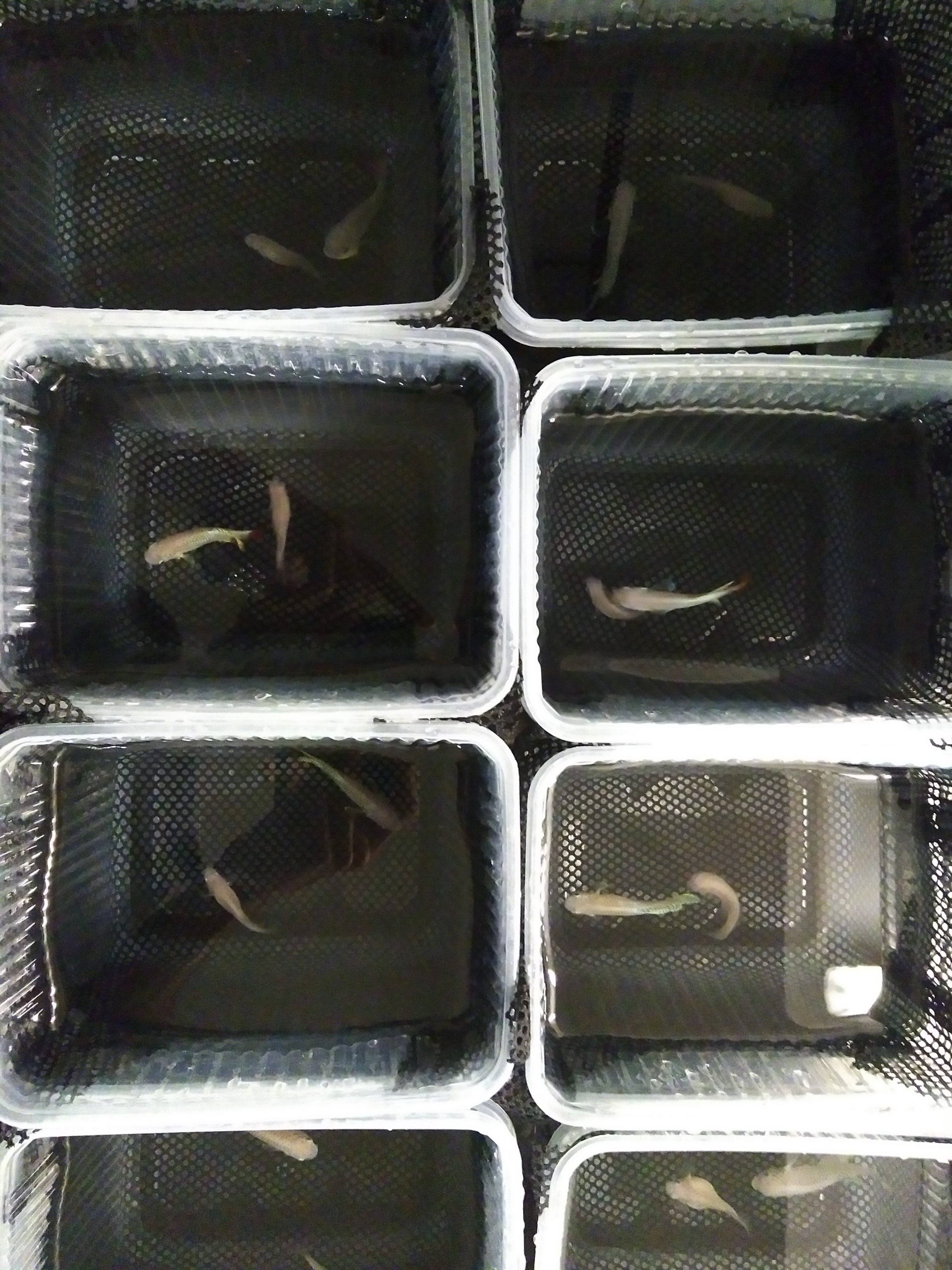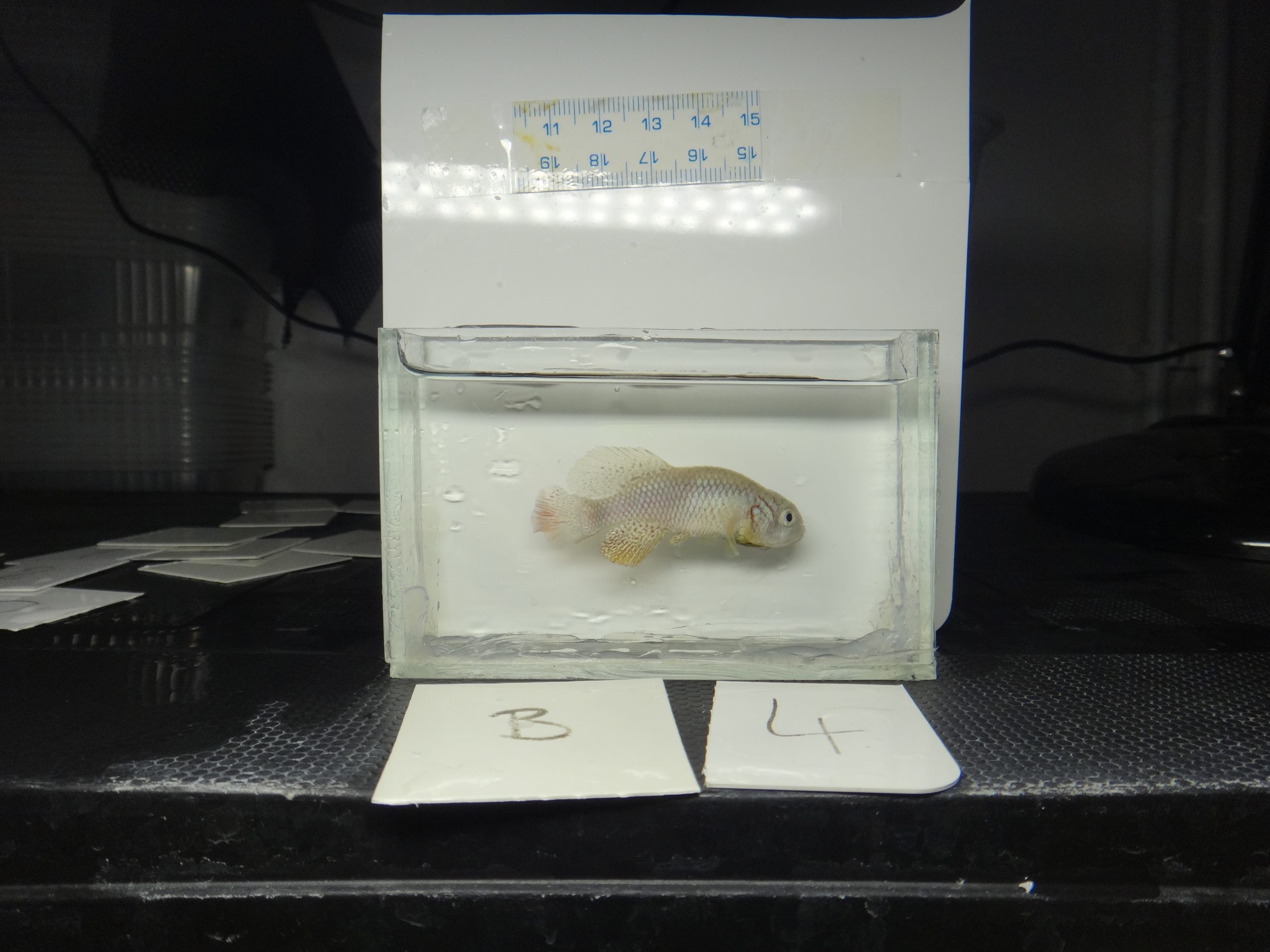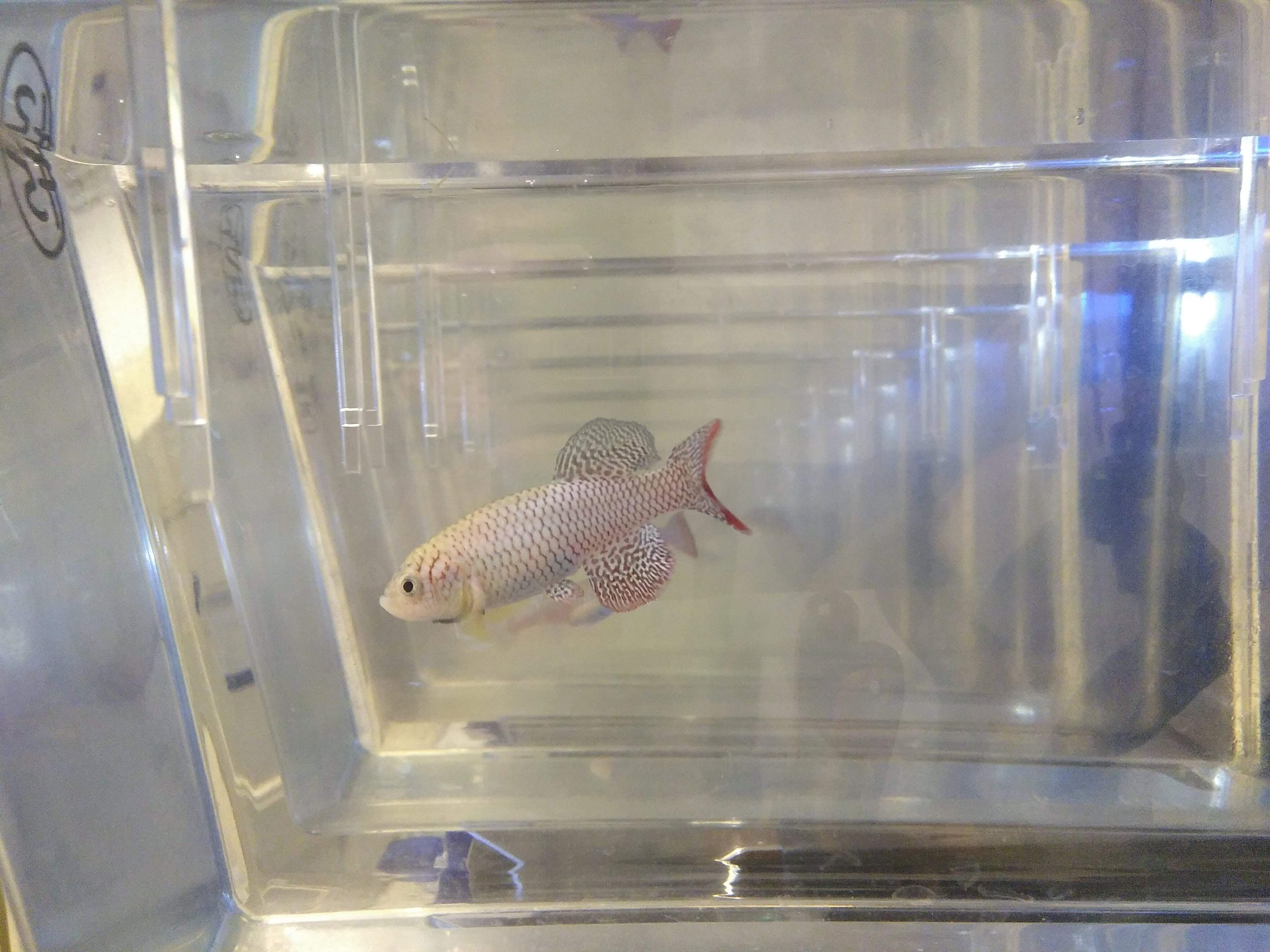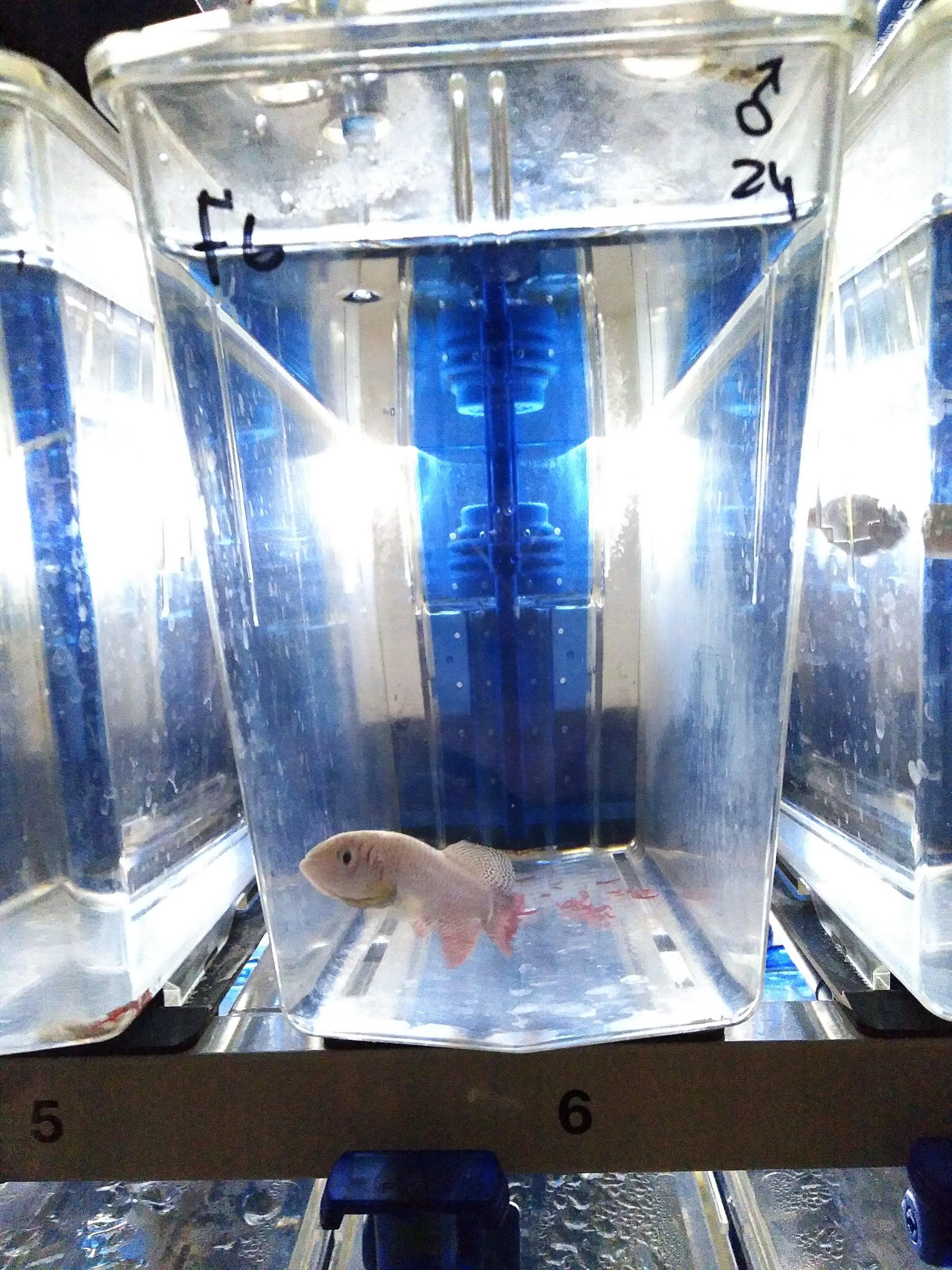
How does parental ageing affect the next generation? A new study by researchers from the Institute of Vertebrate Biology of the Czech Academy of Sciences and Masaryk University, including CEITEC MU, found that the earliest developmental stages of the turquoise killifish are particularly sensitive to advanced parental age. Embryos from older parents had lower survival and hatching success. However, offspring that successfully hatched showed neither slower growth nor shorter telomeres. The findings were published in the Journal of Evolutionary Biology.
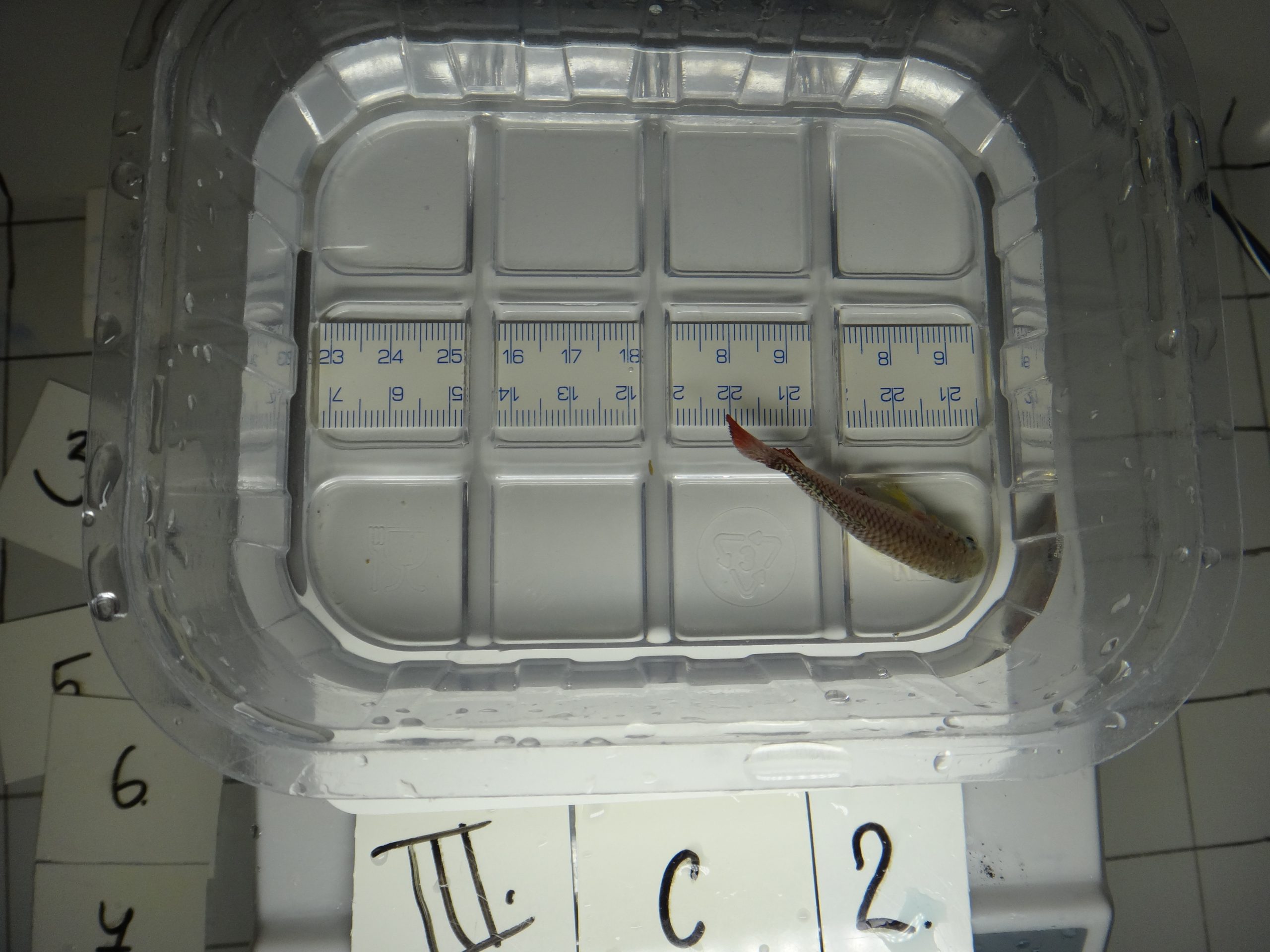
The turquoise killifish (Nothobranchius furzeri) is a short-lived fish widely used in ageing research. In the wild, it inhabits temporary pools in African savannahs that dry out during the dry season. The next generation survives this period as eggs buried in the sediment. The fish’s rapid life cycle allows researchers to study ageing and its effects across generations within a relatively short time. Killifish also provide no parental care, making it easier to investigate the effects of parental age itself.
The research team monitored the condition and reproductive performance of parental fish, followed by embryo survival, hatching success and offspring growth. They also measured telomeres: protective regions at the ends of chromosomes whose length can be associated with cellular ageing.
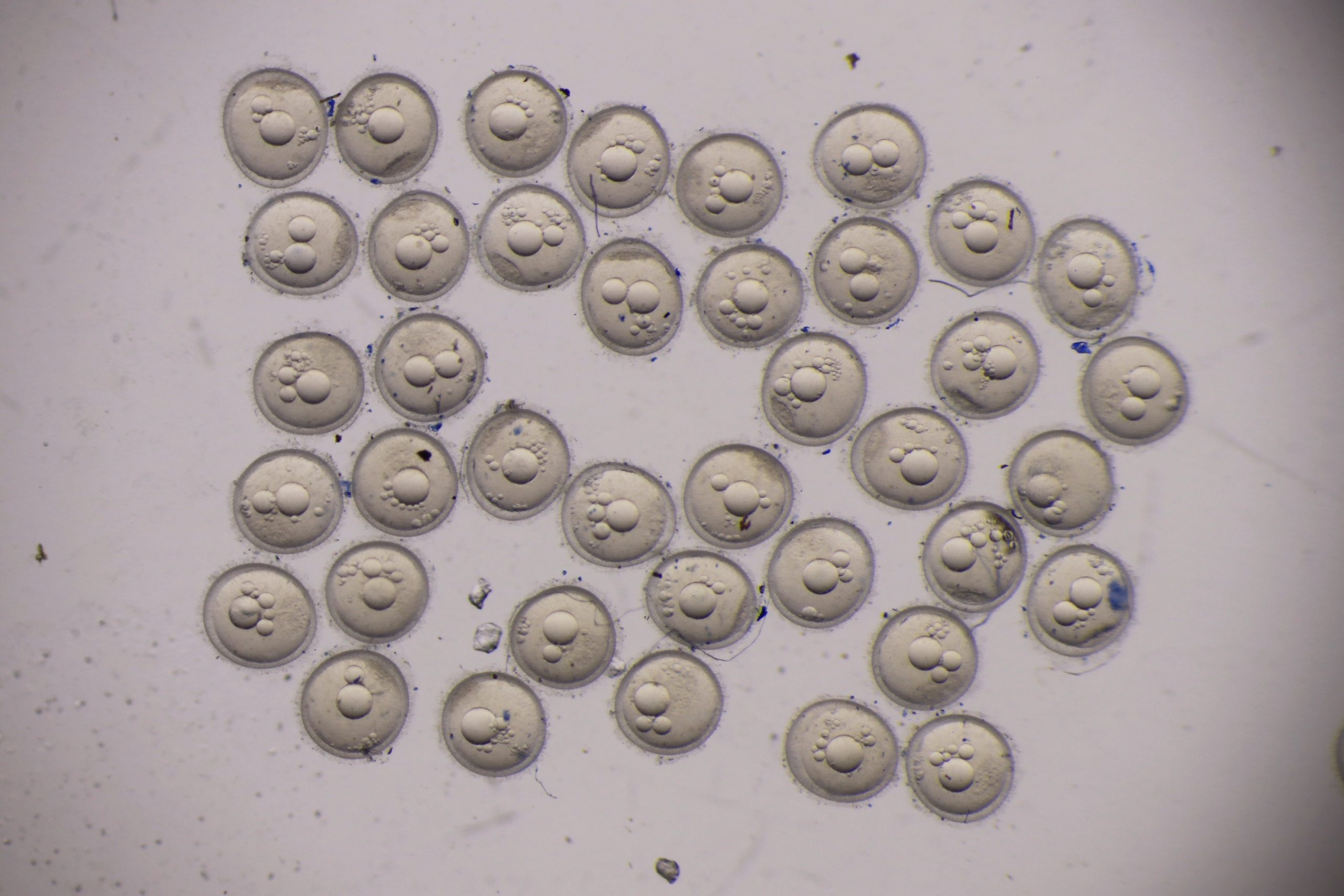
As the parents aged, their body condition, reproductive output and telomere length declined. Offspring from older parents had lower survival during incubation and lower hatching success. These adverse effects did not extend to all the traits examined, however. Successfully hatched offspring grew at comparable rates regardless of parental age and did not differ in telomere length. The researchers also found no association between the telomere lengths of parents and their offspring.
The study shows that the effects of parental ageing depend on the stage of offspring development being examined. While development before hatching was sensitive to advanced parental age, surviving juveniles showed no detectable disadvantage in growth or telomere length. The findings also did not support the idea that parental ageing effects in this species are simply transmitted through shorter telomeres.
The study was conducted as part of a Czech Science Foundation project running from 2022 to 2024. The authors were Milan Vrtílek, Anna Kromerová, Rebeka Šinková, Miloslava Fojtová, Malahat Dianat and Jiří Fajkus.
Publication: Vrtílek et al. (2026): Parental senescence effects in a short-lived fish. Journal of Evolutionary Biology. Read the open-access article here.
Gallery