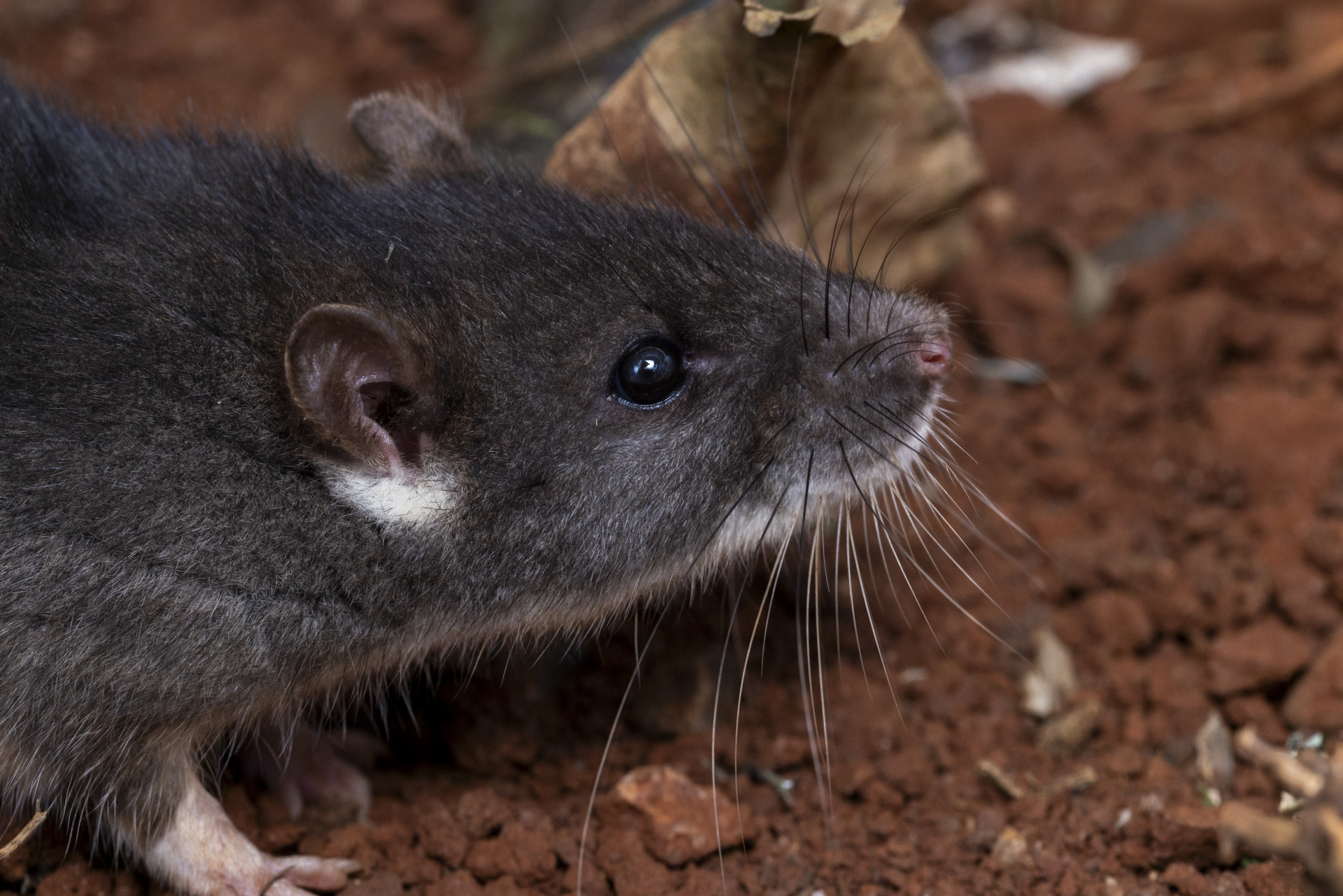
Cover photo credit © Bruno D’Amicis/ NABU
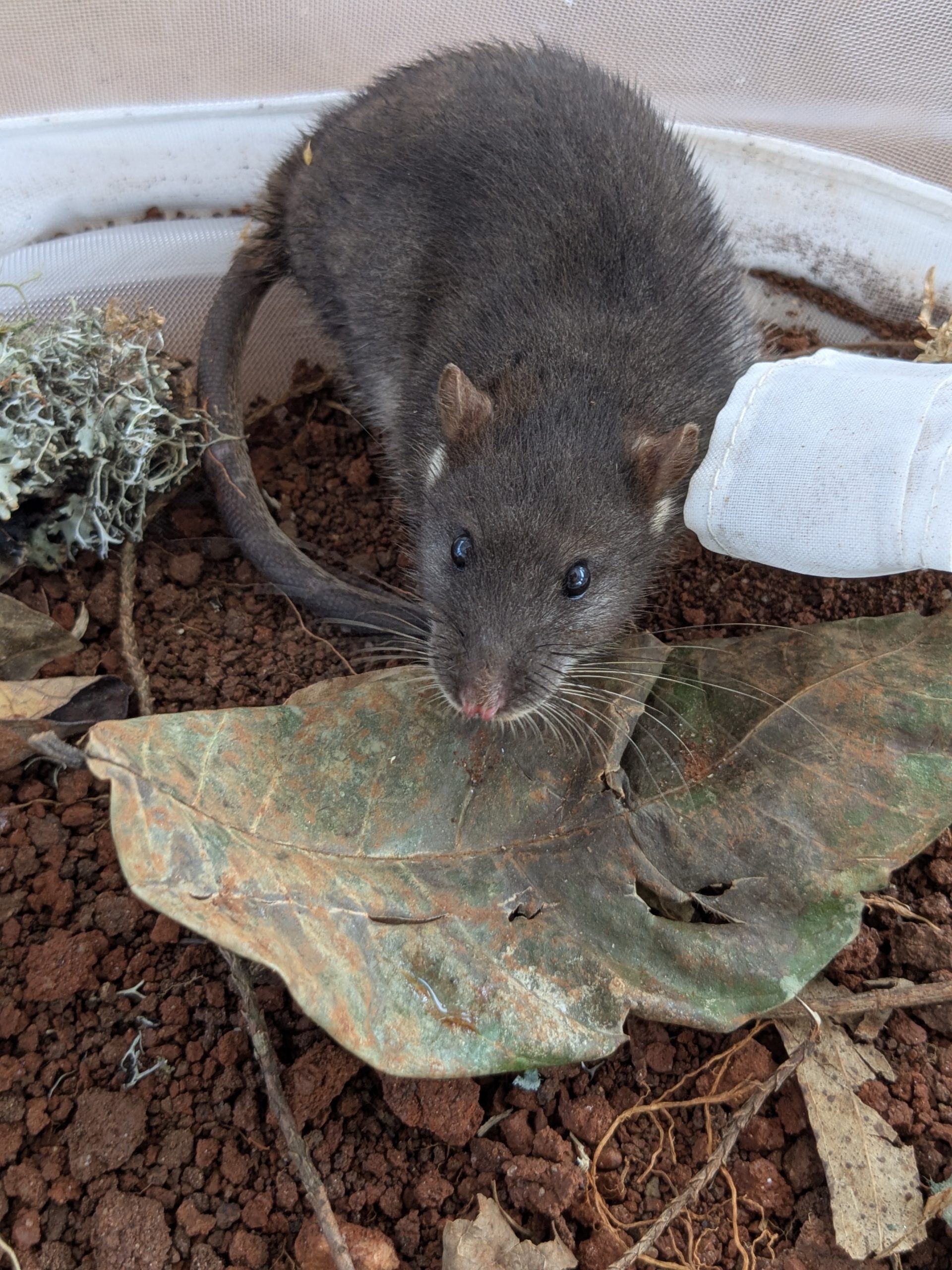
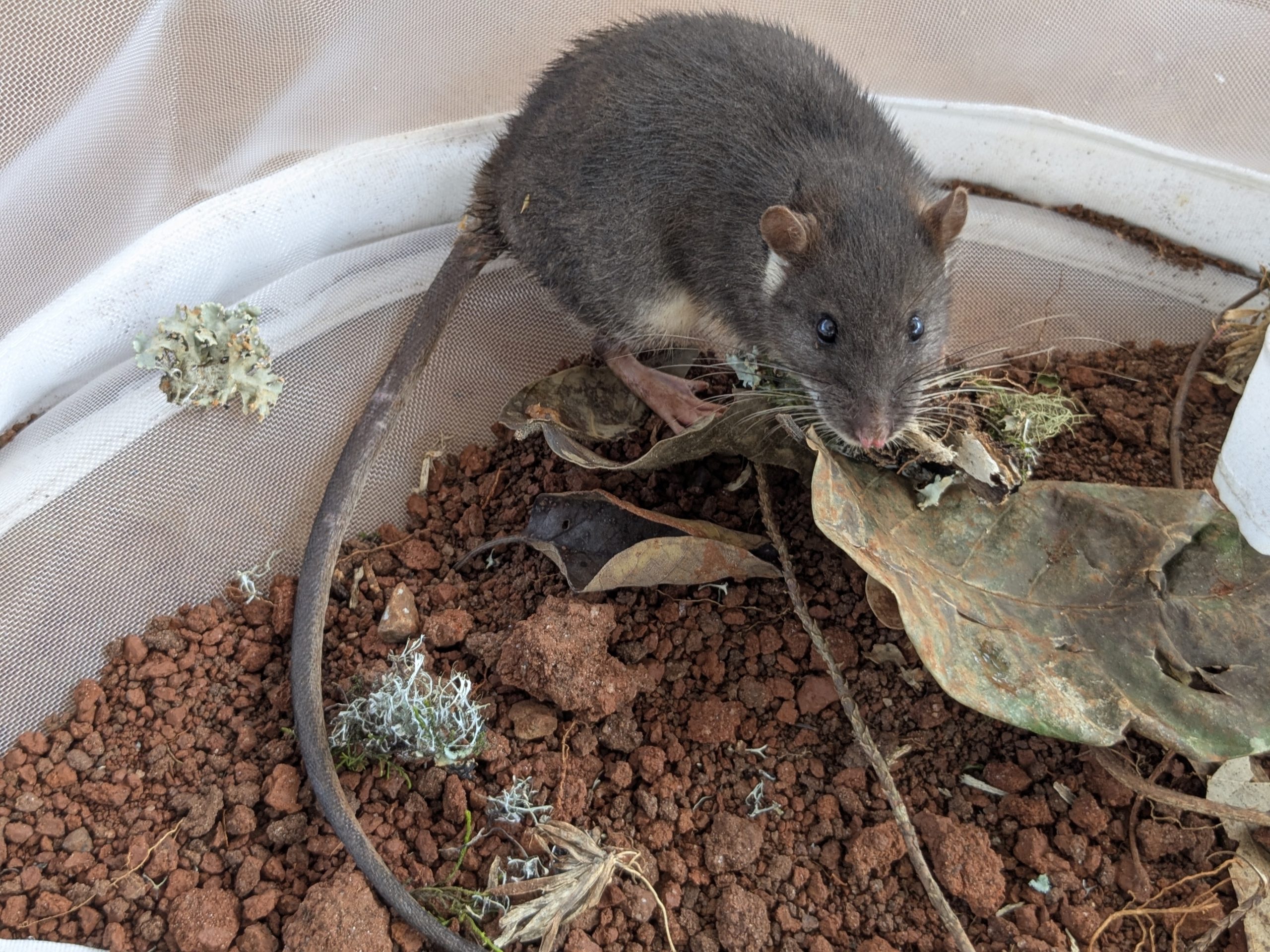
The elusive Ethiopian Water Mouse, Nilopegamys cf. plumbeus has been rediscovered in the Transition Zone of the Yayu Coffee Forest Biosphere Reserve, in south-western Ethiopia, almost a century after the species was first documented.
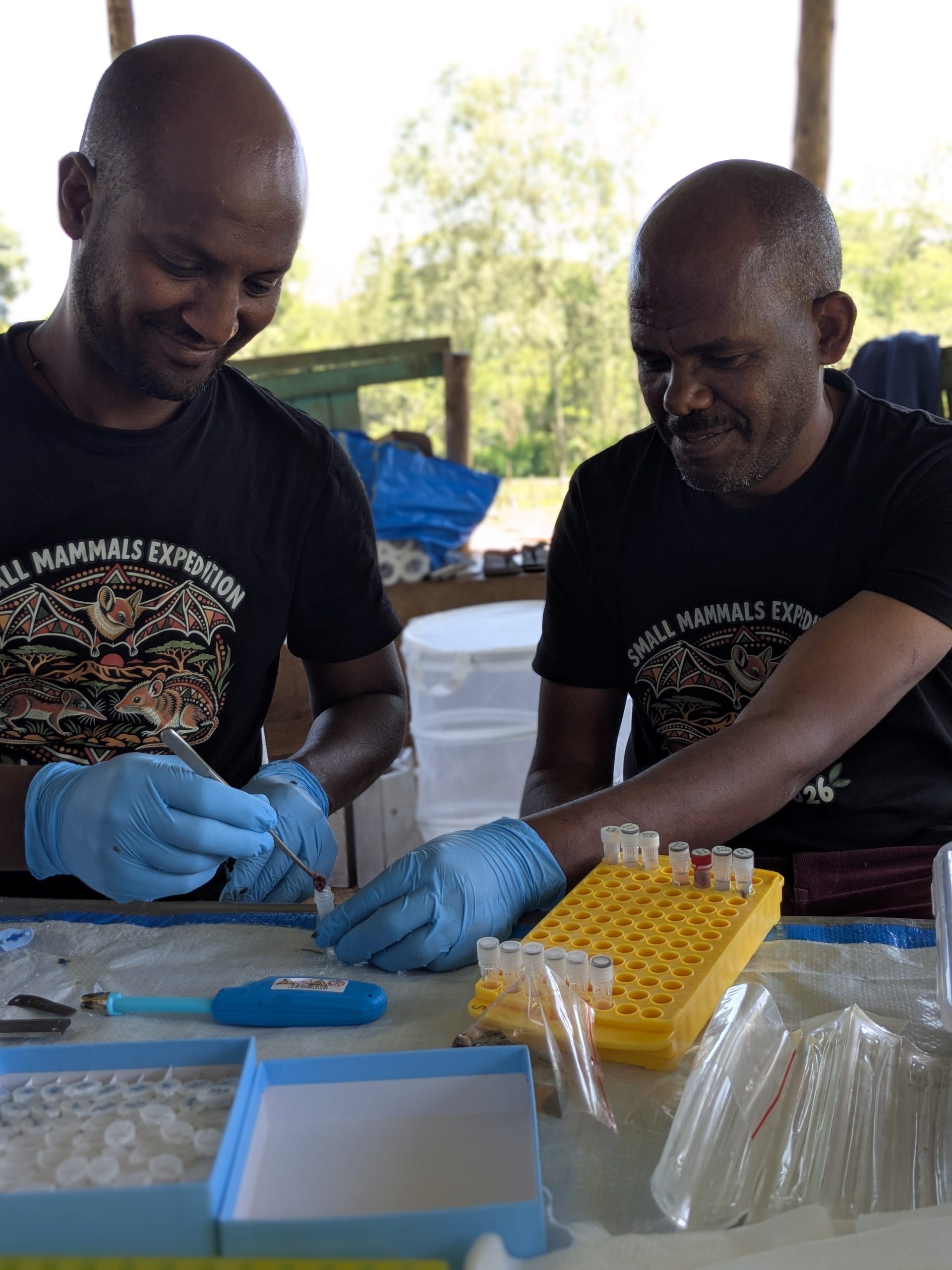
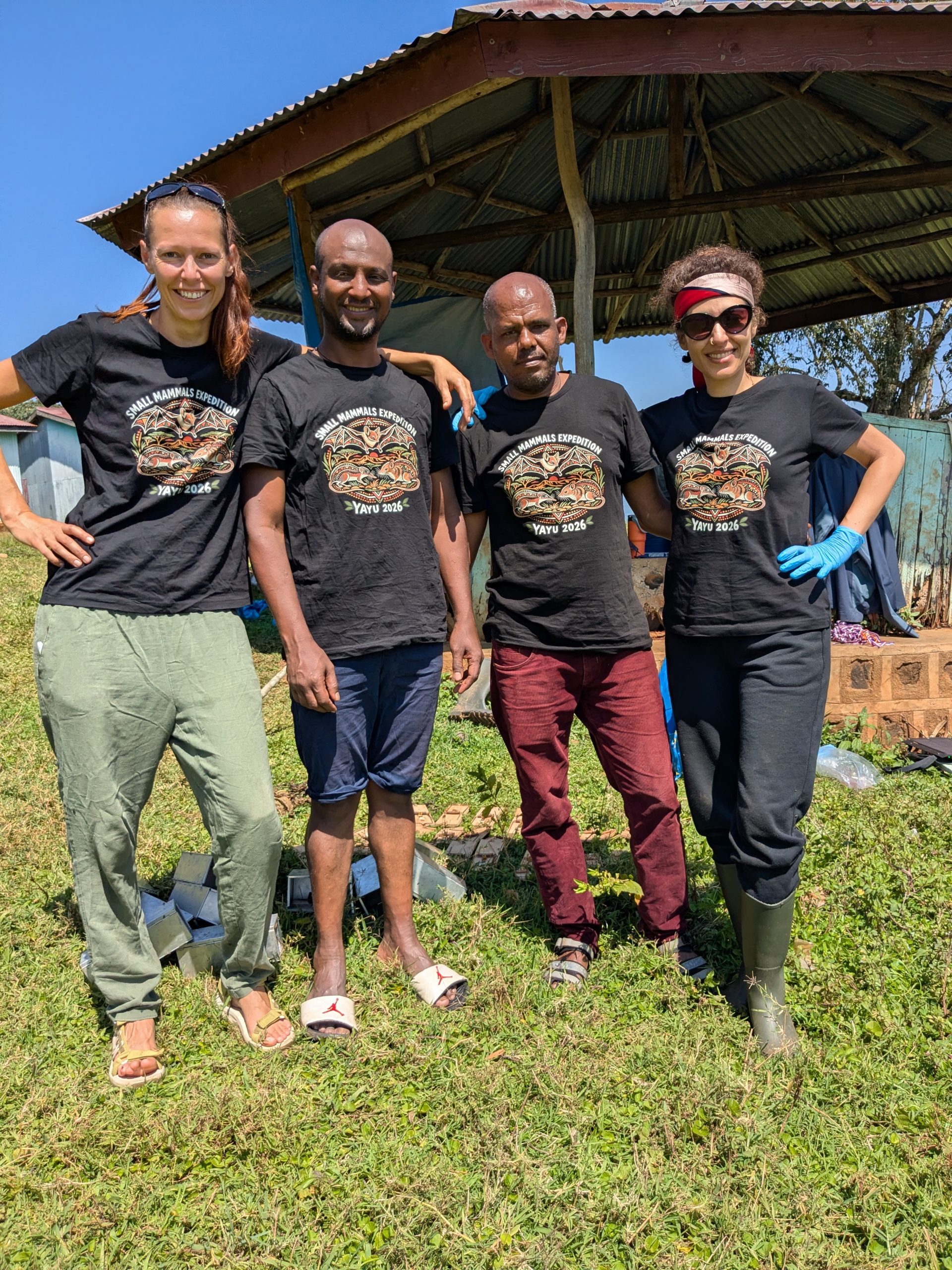
The finding was made during a BMZ-funded biodiversity assessment initiated and coordinated by The Nature and Biodiversity Conservation Union (NABU) in close cooperation with NABU Ethiopia and Ethiopian partners. The assessment brings together Ethiopian and international expertise across different taxonomic groups. The small mammal team includes researchers from the Ethiopian Biodiversity Institute (EBI) and scientists from the Institute of Vertebrate Biology of the Czech Academy of Sciences, Czech Republic (IVB CAS).
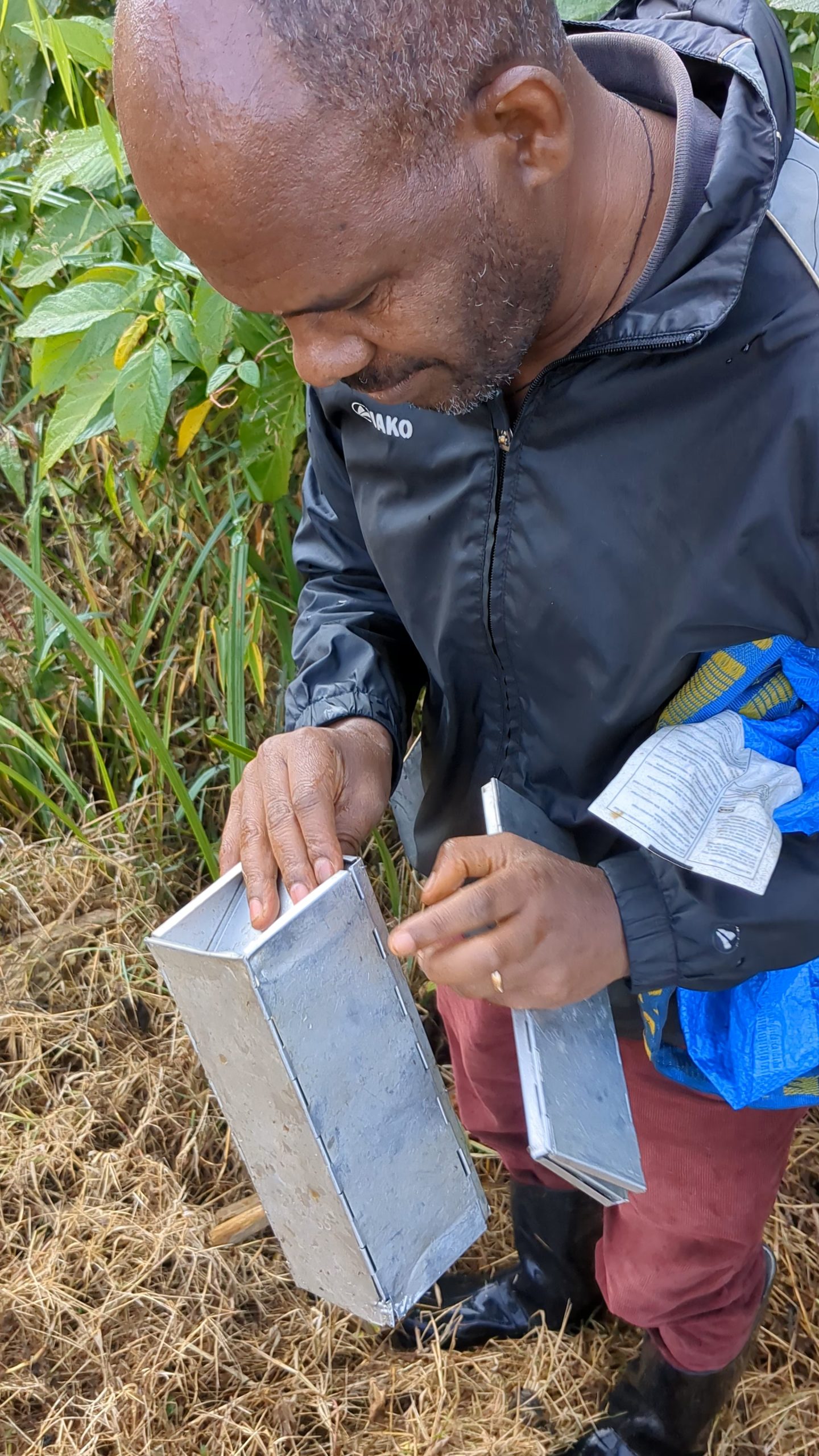
“This was an extraordinary finding. Encountering such a rarely recorded mammal shows how much remains to be discovered in Ethiopia’s forests and waterways,” says Dr Mengistu Wale of EBI, who captured the animal.
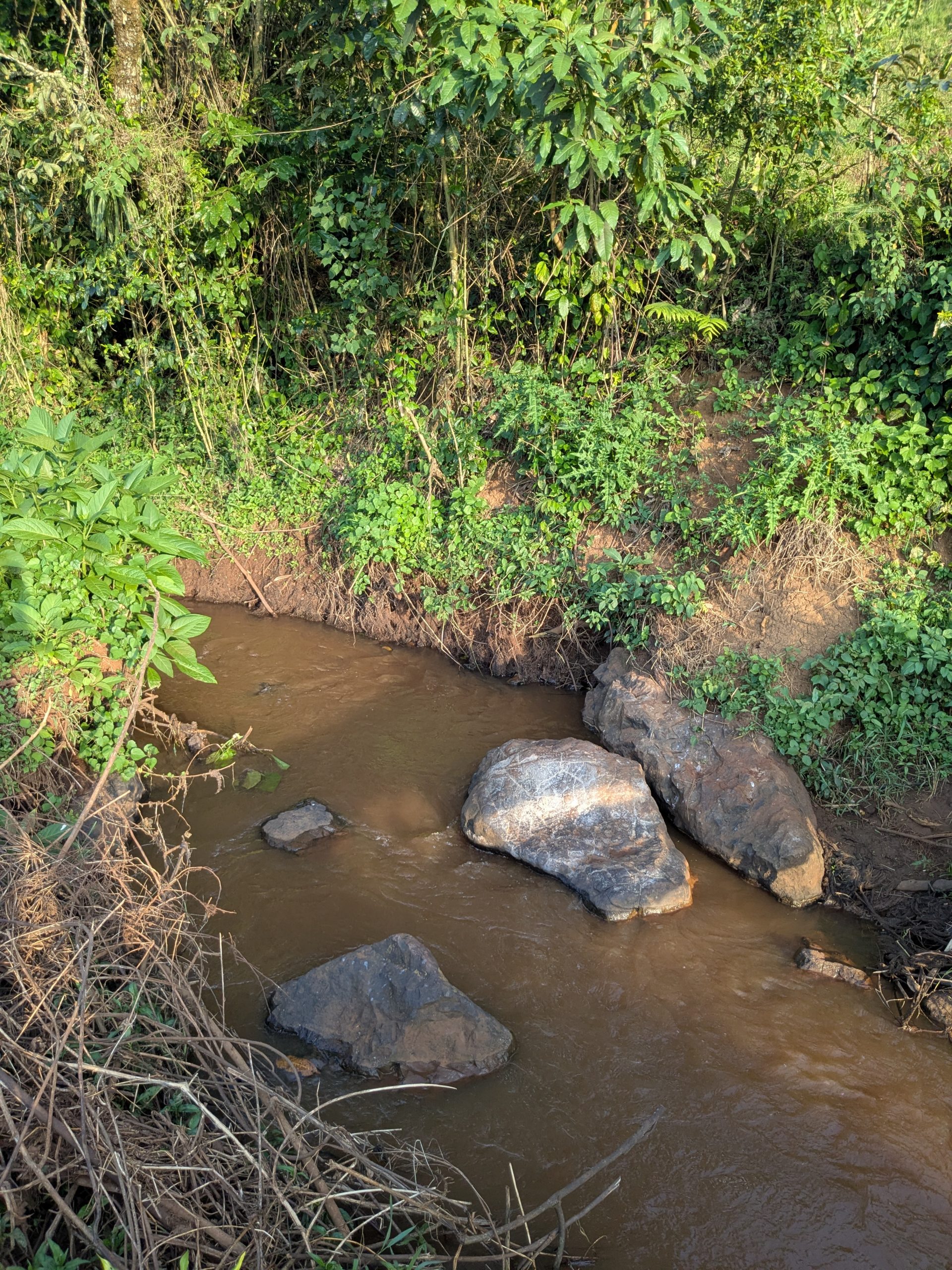
Nilopegamys was first collected in 1927 and described in 1928. It is a distinctive Ethiopian rodent adapted to life in water. A detailed study published in 1995 highlighted its unusual and specialised swimming adaptations, including broad hind feet and dense fur, and established its distinction from other African water-associated rodents.
“Finding the animal far away from its first recorded area, Gojjam (north-western Ethiopia), suggests a need to understand more about its distribution, habitat requirements and conservation needs,” adds Dr Mengistu Wale.
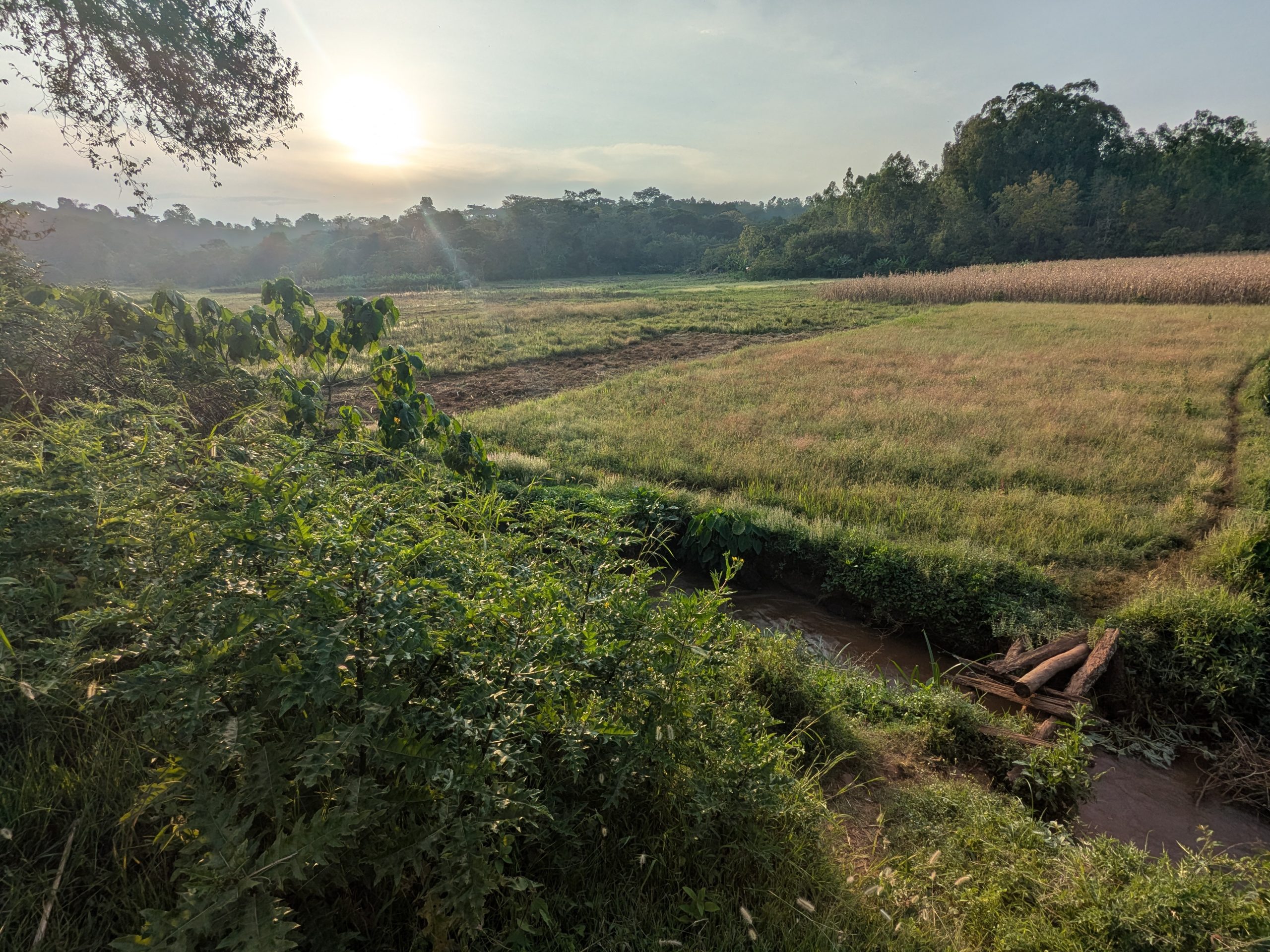
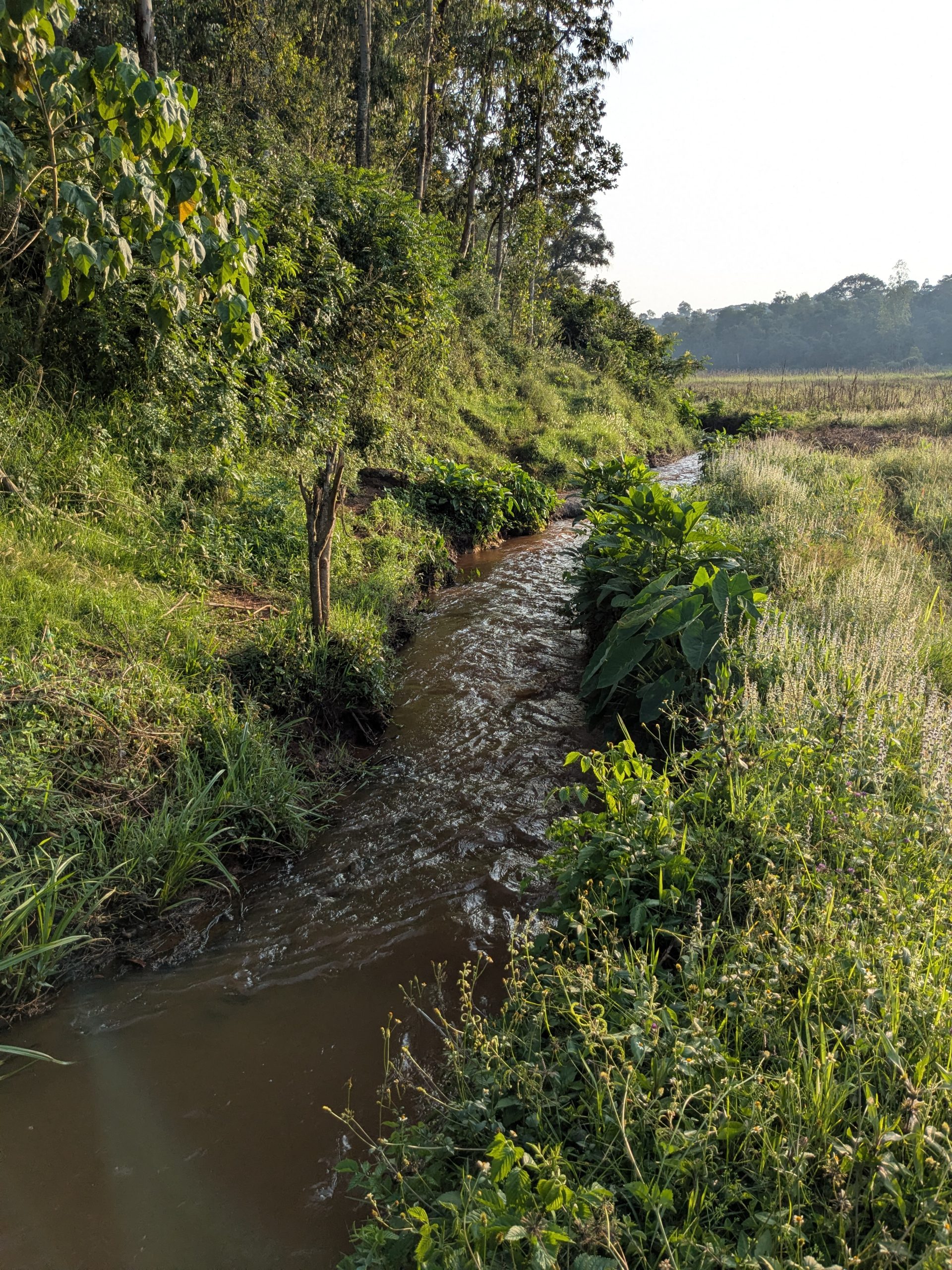
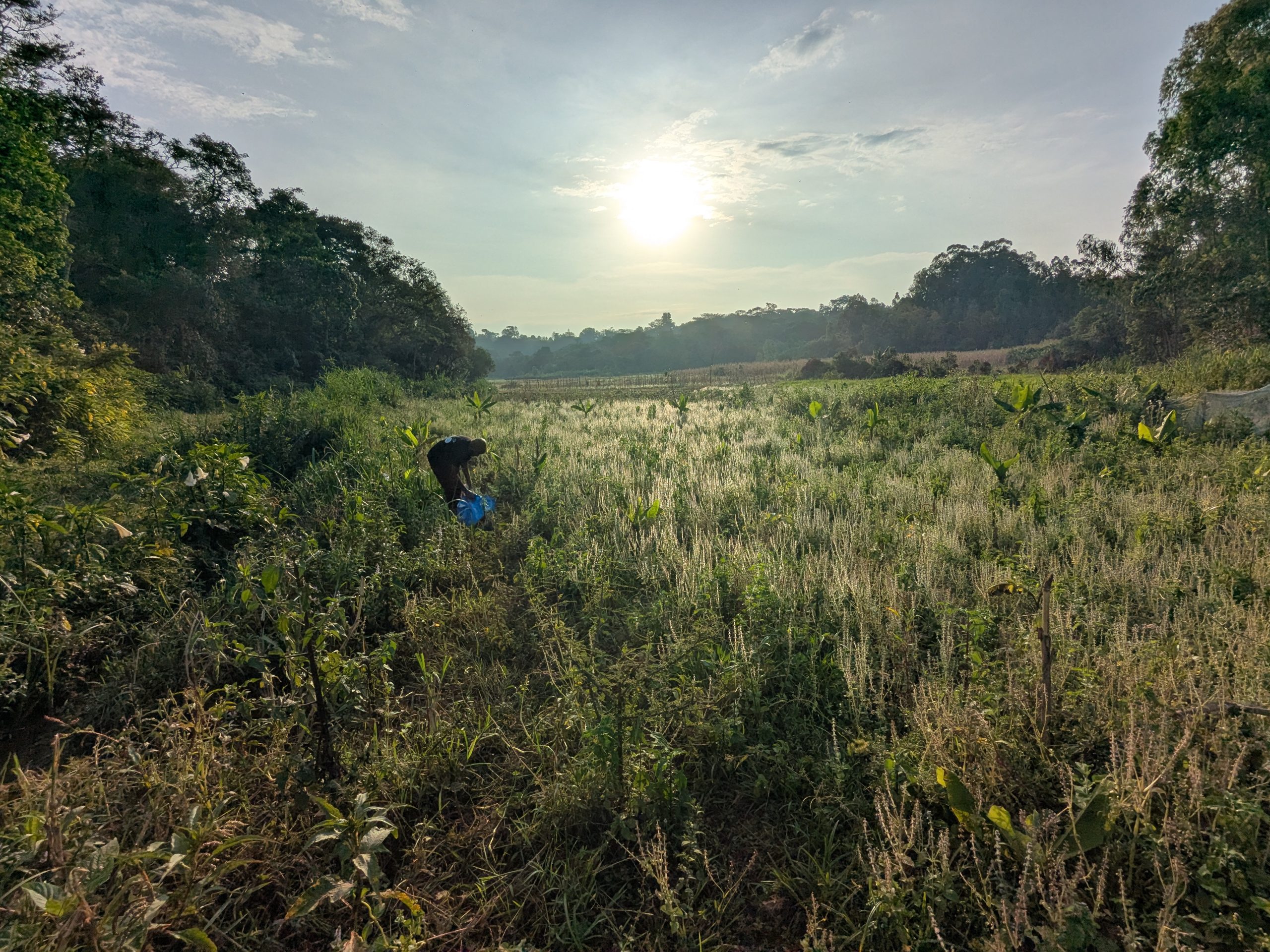
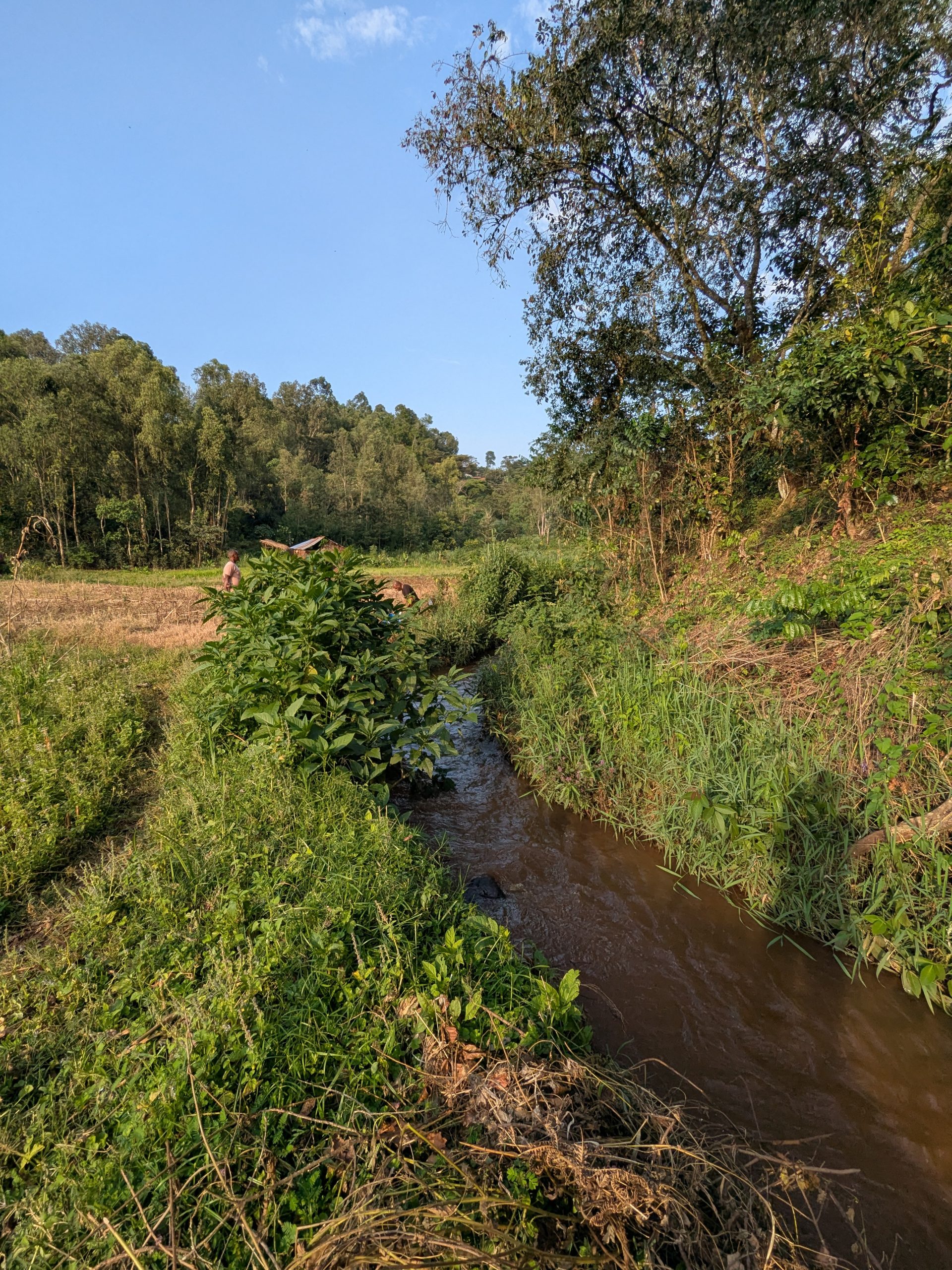
Designated as a UNESCO biosphere reserve in 2010, the area protects important remnants of Ethiopia’s Afromontane rainforest, including wild populations of coffee (Coffea arabica). The reserve extends into a heterogeneous landscape of streams, wetlands, and smallholder agriculture. The rediscovery of a highly specialised and little-known mammal in its Transition Zone illustrates how incomplete our knowledge of Yayo’s biodiversity still is, including outside the forest itself.
“This survey provides an important evidence base to our understanding of the diversity of small mammals in the area. Close collaboration between Ethiopian and international researchers is essential for turning field discoveries into lasting conservation practices,” says expedition leader Dr Getachew Mulualem of EBI.
“Our long-standing collaboration with Ethiopian research institutions has helped make small mammals one of the best-studied groups of Ethiopia’s fauna. Yet, the possible rediscovery of a species unseen for nearly a century shows that even after decades of research, remarkable surprises are still possible,” says Dr Alena Fornuskova of IVB CAS.
“Such discoveries remind us that even relatively well-studied animal groups still hold important gaps in our knowledge. Small mammals play essential roles in ecosystems, and understanding their diversity and ecological relationships is crucial for effective biodiversity conservation,” adds Dr Malahat Dianat of IVB CAS.
The finding opens a new opportunity to investigate one of Ethiopia’s least-known rodents and underlines the value of continued biodiversity monitoring across the Yayo coffee forest biosphere reserve landscape. More attention should be given to conservation as this species is captured in fragmented agricultural areas in the Transition zone. Next, updating the taxonomy, genetics, ecology and parasites of Nilopegamys will come soon.
Photo: © Alena Fornůsková/ÚBO
Gallery